
Unlock Visual Intelligence with Advanced Image Processing
Oodles delivers end-to-end image processing solutions that transform raw visual data into reliable insights. Our teams build production-ready pipelines using OpenCV, NumPy, PyTorch, TensorFlow, and modern deep learning architectures to support enhancement, detection, segmentation, and vision-driven automation across industries.
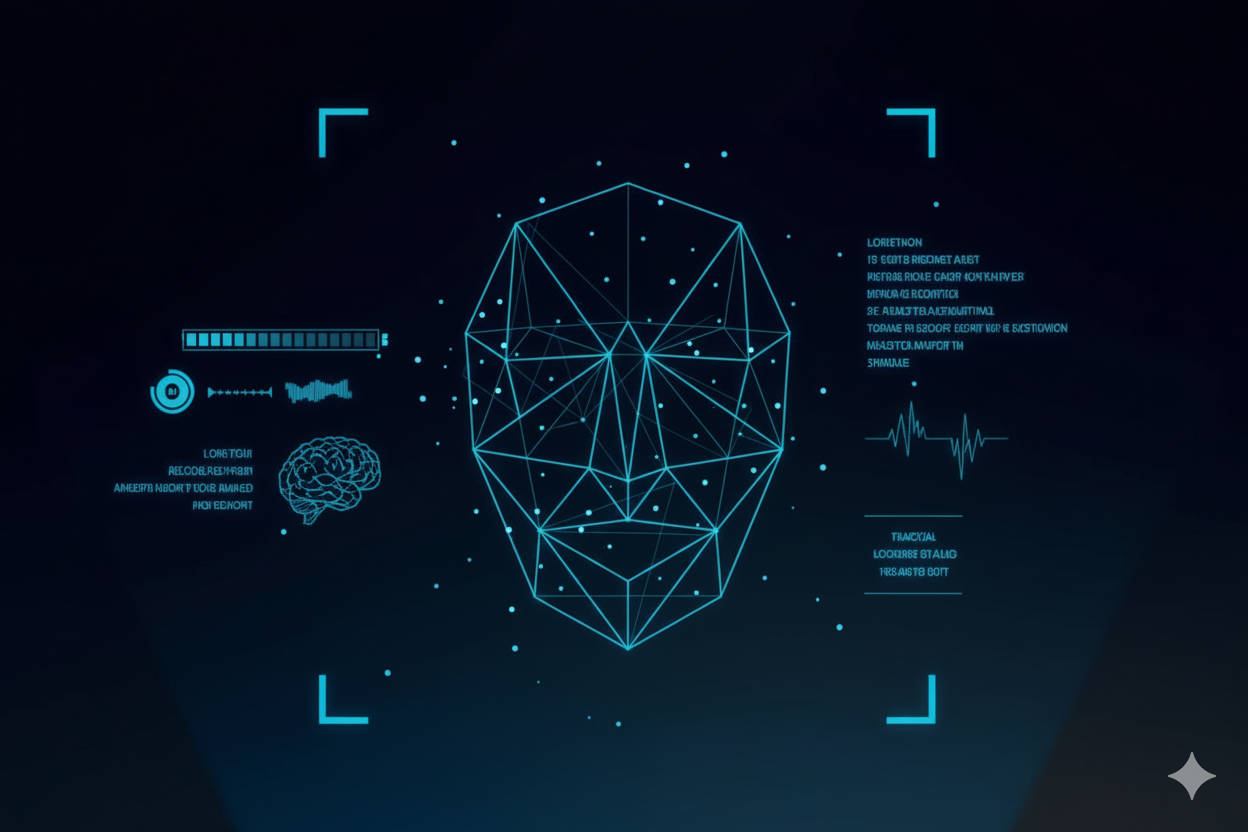
What is Image Processing?
Image processing focuses on transforming and analyzing digital images using algorithmic and learning-based techniques. Oodles combines classical image processing methods—such as filtering, edge detection, and morphological operations—with deep learning–based computer vision models to enable accurate visual interpretation, automation, and decision support.
What We Deliver
Custom Image Processing Pipelines
Image enhancement, noise reduction, filtering, edge detection, and morphological operations implemented using OpenCV and optimized numerical pipelines.
Object Detection & Tracking
Real-time object detection and tracking using YOLO, SSD, and Faster R-CNN models optimized for accuracy and performance.
Image Segmentation
Semantic and instance segmentation using U-Net, Mask R-CNN, and DeepLab for pixel-level image understanding.
OCR & Document Intelligence
Text extraction pipelines combining classical image preprocessing with Tesseract and deep learning–based OCR models for document images.
Facial Recognition & Biometrics
Image-based facial analysis pipelines for identity verification and biometric matching using feature extraction and classification techniques.
Medical Image Analysis
Image processing and segmentation of X-ray, CT, and MRI scans to support clinical analysis and computer-aided diagnostics.
High-Impact Use Cases
Real-world applications powered by advanced computer vision solutions across industries.
Autonomous Vehicles
Image processing pipelines for lane detection, traffic sign recognition, and pedestrian identification.
Retail & Surveillance
Vision-based people counting, shelf monitoring, and activity detection using real-time image processing techniques.
Healthcare Imaging
Medical image processing for tumor detection, disease screening, and anatomical structure segmentation.
Document Digitization
Image preprocessing and OCR workflows that enable automated document digitization, form recognition, and data extraction.
Ready to build with Image Processing? Let's get in touch







We are ISO 9001:2015 Certified
Connect with us


Follow us