
Enterprise-Grade Deep Learning Solutions with PyTorch
Oodles builds scalable, production-ready deep learning systems using PyTorch—the industry-standard framework for training, optimizing, and deploying neural networks across computer vision, natural language processing, recommendation systems, and time-series forecasting. Our PyTorch solutions leverage torch.nn, torch.autograd, CUDA acceleration, Distributed Data Parallel (DDP), TorchVision, TorchText, TorchAudio, TorchScript, TorchServe, and ONNX to deliver high-performance models that move seamlessly from experimentation to enterprise-scale production.
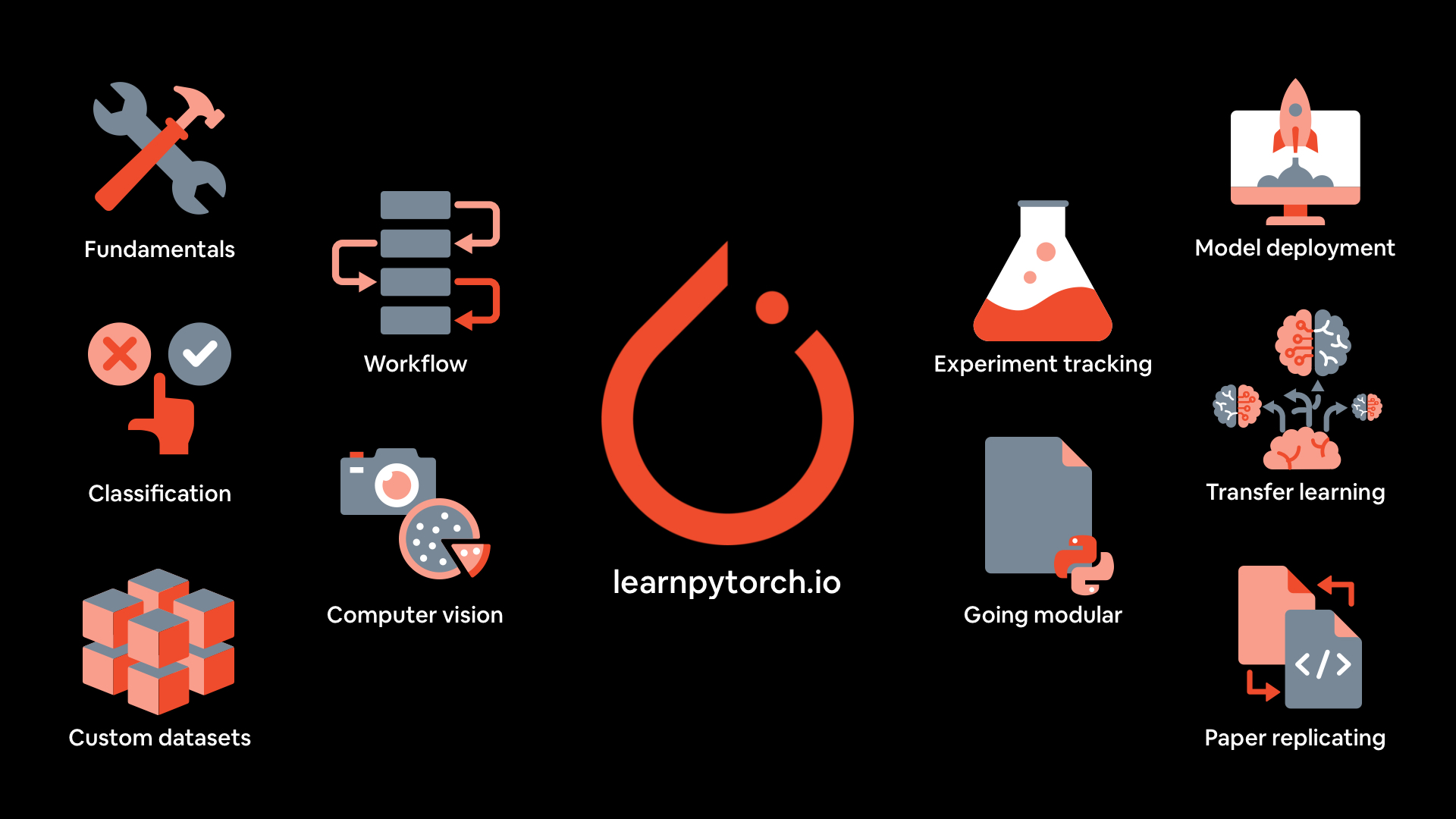
What is PyTorch?
PyTorch is an open-source deep learning framework built on the Torch library and maintained by Meta AI. It enables developers and researchers to build neural networks using dynamic computation graphs, making model development intuitive, debuggable, and highly flexible.
At Oodles, PyTorch serves as the foundation for training and deploying deep learning models using GPU acceleration, distributed training, and production-grade serving pipelines.
Why Choose Oodles for PyTorch Development?
Expert PyTorch Specialists
Deep expertise in PyTorch model development, training, optimization, and deployment for production systems.
Custom Neural Network Architecture
We design and implement custom CNN, RNN, LSTM, Transformer, and GAN architectures tailored to your use case.
PyTorch Model Development
Hands-on development of computer vision, NLP, and deep neural network models using native PyTorch APIs.
Production-Ready Deployment
TorchScript optimization, TorchServe deployment, model quantization, and efficient inference pipelines.
Scalable Training Infrastructure
Distributed training, GPU optimization, hyperparameter tuning, and efficient data pipelines for large-scale models.
Proven AI Delivery Experience
Experience delivering production-grade PyTorch models across vision, NLP, and recommendation workloads, including PyTorch implementations for computer vision, NLP, and recommendation systems.
Our PyTorch Capabilities
Custom Neural Network Design
Design and implement custom CNN, RNN, LSTM, Transformer, and GAN architectures using PyTorch.
Model Training & Optimization
Distributed training, hyperparameter tuning, model pruning, and quantization for efficient inference.
Computer Vision Applications
Image classification, object detection, segmentation, and face recognition using PyTorch and TorchVision.
Natural Language Processing
Text classification, sentiment analysis, named entity recognition, and language models with PyTorch and TorchText.
Model Deployment & Serving
TorchScript conversion, TorchServe deployment, TorchScript conversion, TorchServe deployment, ONNX export for interoperability, and inference optimization.
Transfer Learning & Fine-Tuning
Leverage pre-trained PyTorch models (ResNet, EfficientNet, BERT-style encoders) and fine-tune using torch.nn modules.
Real-World Use Cases
Image Recognition & Classification
Build custom image classification models for medical imaging, quality control, autonomous vehicles, and retail product recognition using PyTorch CNNs.
Natural Language Processing
Develop sentiment analysis, text classification, named entity recognition, and language translation models using PyTorch and transformer architectures.
Recommendation Systems
Create personalized recommendation engines for e-commerce, content platforms, and streaming services using deep learning models in PyTorch.
Predictive Analytics & Forecasting
Build time series forecasting models for sales prediction, demand forecasting, and financial market analysis using PyTorch RNNs and LSTMs.
Anomaly Detection
Develop anomaly detection systems for fraud prevention, network security, and quality control using autoencoders and GANs in PyTorch.
Audio & Signal Processing
Build audio classification and signal processing models using PyTorch and TorchAudio for waveform and spectrogram pipelines.
Ready to leverage PyTorch technology? Let's talk!






We are ISO 9001:2015 Certified
Connect with us


Follow us